
An article from

The company attributed the increases to rising hardware costs, but the move may also point to a larger strategy to step back from its metaverse plans.
This audio is auto-generated. Please let us know if you have feedback.
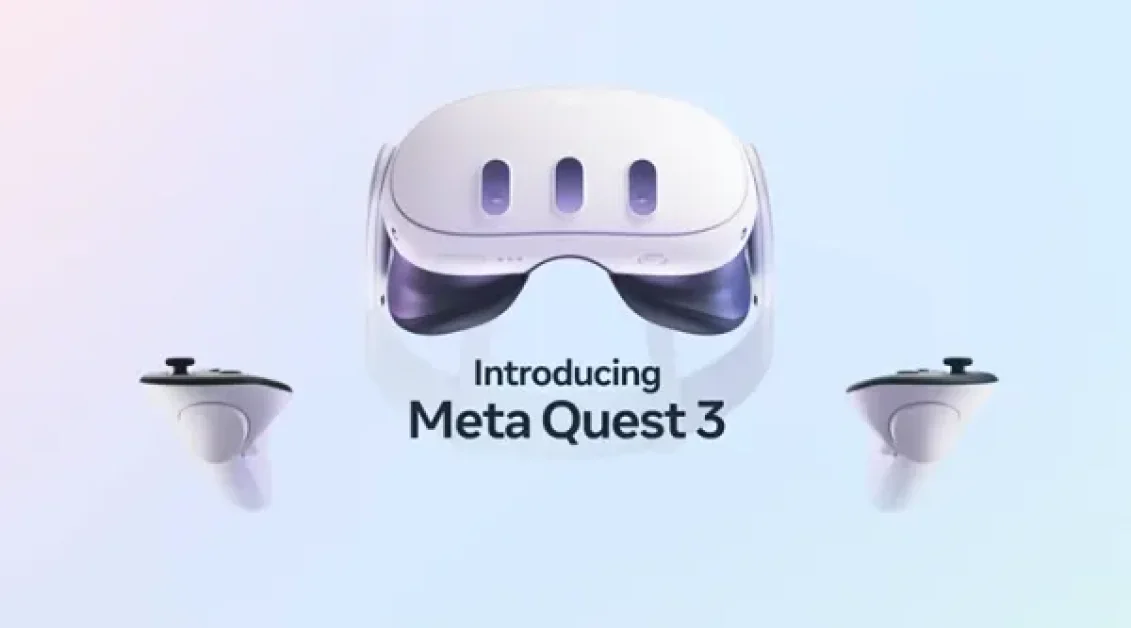
Meta announced new price hikes for its Quest VR units, with prices for its Meta Quest 3 and Meta Quest 3S headsets going up by between $50 and $100 each.
Meta attributed the change to rising hardware prices. As a result, the Meta Quest 3 unit will go from $500 to $599, while the Quest 3S 128GB version will go from $300 to $349. The 256 GB version of the Meta Quest 3S will also rise to $449.99.
As explained by Meta: “We’re making this change because the cost of building high-performance VR hardware has risen significantly. The global surge in the price of critical components — specifically memory chips — is impacting almost every category of consumer electronics, including VR. To keep delivering the quality of hardware, software, and support you expect from the Quest platform, we need to adjust our pricing.”
Prices everywhere are rising due to complexities within supply chains, as well as restrictions on fuel and other critical resources. Meta is not immune to such, and while the company may have to eat some of the costs in order to facilitate broader VR take-up, clearly Meta isn’t looking to take that hit at this stage.
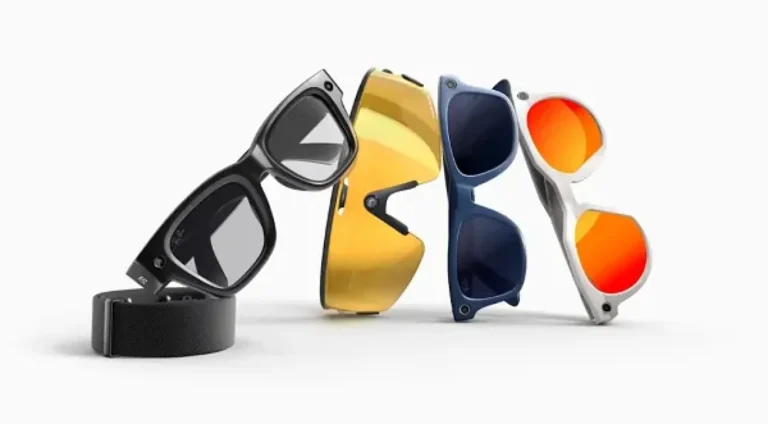
It is not surprising, considering that Meta is also seemingly stepping back from its VR metaverse plans in order to focus on the development of artificial intelligence, including the next stage of its AI glasses and the upcoming AR version.
Last month, Meta announced plans to shut down its Horizon Worlds VR social element, which was once considered a critical first step towards its metaverse vision. That plan would have allowed users to eventually be able to engage in expanded interaction via digital avatars in the VR space.
A day after that announcement, Meta said it would continue to support Horizon Worlds in order to support its existing Horizon users; however, the platform would no longer be updated, and would eventually become unstable as a result.
The announcement is seemingly a critical step away from the metaverse vision that Meta changed its company name to align with. CEO Mark Zuckerberg has now become more enamored with the potential of AI and it has become clear that AI is now a bigger consideration than VR engagement.
Indeed, Meta is investing $600 billion into AI infrastructure over the next three years alone, in its expanding quest for virtual “superintelligence.”
As such, it’s no surprise to see Meta jacking up the price of VR headsets, which are no longer the priority for the business that they once were.
Does that mean that Meta will eventually stop supporting VR entirely, and refocus all of its energy on the development of AI-based experiences?
In its announcement, Meta also said it remained “committed to investing in VR and leading the category because we believe this is the future of computing. We have a long-term roadmap full of new hardware and experiences, and this adjustment helps us stay on track to deliver that future.”
It remains to be seen whether that will hold up in the AI-powered future.