
PayPal’s Honey browser extension has been lauded for years as an easy way to find coupons online. But some are calling it a “scam” after a deep dive from YouTuber MegaLag, who accused Honey of “stealing money from influencers,” and returned one year later with a second video that says Honey targeted minors, collected data on people who never signed up for its service, and exploited small businesses.
The first video shines a light mostly on Honey’s use of last-click attribution, swapping its tracking cookie in for others’ when you interact with it. The second video tracks a series of emails between Honey and small businesses that lost revenue from its use of private coupon codes and how it attempted to squeeze them to sign up as partners, as well as its approach of sponsoring YouTubers with large audiences of younger viewers, like Mr Beast.
PayPal issued statements after the first video in 2024 saying that it follows “industry rules and practices” like last-click attribution. But creators who may have missed out on money because of it aren’t happy. Some YouTube channels, like Legal Eagle and GamersNexus, are now suing.
Below, you’ll find all our coverage of the controversy.
-
Steve Ballmer’s Kawhi Leonhard controversy intersects with another scandal.
-

The Honey exposé fallout continues.
Six months after the coupon hunting extension Honey was accused of cheating shoppers and influencers, it appears the PayPal-owned tool is still losing users. According to 9to5Google, the number of Chrome extension users continues to drop — at one point 20 million people used the extension. Now, that number is down to 15 million.
-

Google changes Chrome extension policies following the Honey link scandal
Image: Cath Virginia / The Verge
Google has updated its affiliate ads policy for Chrome extensions after creators accused PayPal’s popular Honey browser extension of being a “scam.”
Honey was accused of taking affiliate revenue from the same influencers it paid for promotion by using its Chrome extension to swap in its own affiliate link before you checked out. According to the updated Google policy posted today, this isn’t allowed in most cases:
-

GamersNexus is leading a new class action lawsuit against PayPal.
The lawsuit joins other complaints filed since YouTuber MegaLag’s video accusing PayPal’s coupon-hunting Honey extension of hijacking affiliate links. The Legal Eagle channel filed one earlier this month as well.
The 90-minute video recaps the concerns raised in MegaLag’s original video and includes interviews with lawyers explaining the legal process.
-
YouTuber Legal Eagle is suing over PayPal’s Honey extension
Image: Cath Virginia / The Verge
Devin Stone of the YouTube Channel Legal Eagle is suing PayPal over the affiliate link practices of its Honey extension that were detailed by fellow YouTuber MegaLag last month, he announced in a video published Friday.
The proposed class action lawsuit was filed December 29th in California’s Northern District Court by Stone’s Eagle Team LLP and several other YouTubers’ businesses. It accuses Honey of intentionally replacing creators’ affiliate links with its own, even if it’s not offering shoppers a benefit, depriving creators of money in the process.
-
Honey’s deal-hunting browser extension is accused of ripping off customers and YouTubers
The PayPal Honey browser extension is, in theory, a handy way to find better deals on products while you’re shopping online. But in a video published this weekend, YouTuber MegaLag claims the extension is a “scam” and that Honey has been “stealing money from influencers, including the very ones they paid to promote their product.”
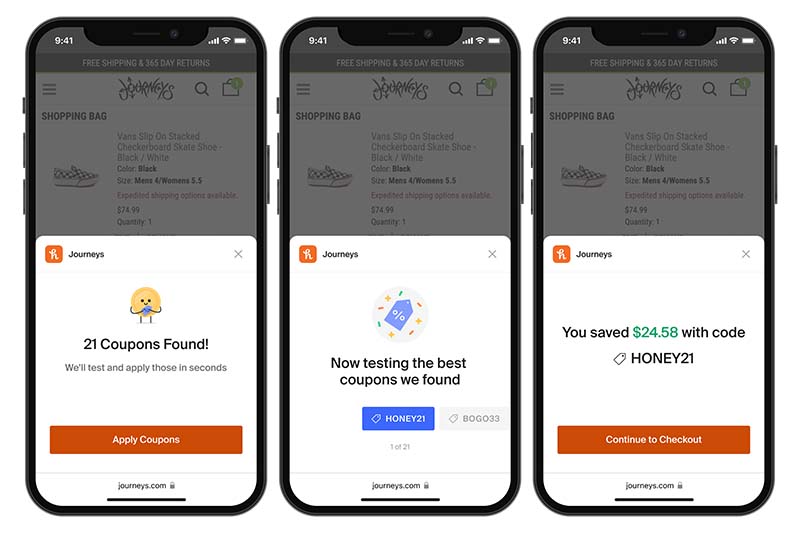
Honey works by popping up an offer to find coupon codes for you while you’re checking out in an online shop. But as MegaLag notes, it frequently fails to find a code, or offers a Honey-branded one, even if a simple internet search will cover something better. The Honey website’s pitch is that it will “find every working promo code on the internet.” But according to MegaLag’s video, ignoring better deals is a feature of Honey’s partnerships with its retail clients.