
This audio is auto-generated. Please let us know if you have feedback.
Snapchat shared new insights into how teenagers engage and interact online, as well as the role social platforms and creators play in such, offering more insight into the latest teen usage trends.
Snapchat partnered with Ominicom Media and Alter Agents to study teen users across five global markets in order to get direct insight into how young users navigate relationships, content and technology.
The report provides some interesting, and potentially valuable, information for marketers, and older audiences more broadly, with specific notes on how teens feel about social media as a connective tool.
As per Snapchat: “This generation hasn’t changed what it means to be a teenager. They’re still checking in with friends, gossiping, doing homework, figuring out relationships — just in more digital spaces and often on social platforms. However, they balance being teenagers with the adult habit of questioning everything they see online. They’re often fact-checking the news, verifying what AI tells them, and many don’t always believe what they see on social media.”
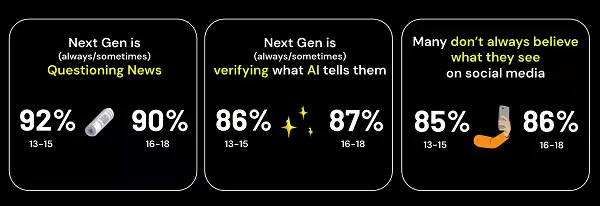
It’s interesting to note the rate at which young users are now sceptical of what they see online. This could bode well for future generations when it comes to dealing with fake reports, especially given the rise of the artificial intelligence tools that have become increasingly good at simulating content and events.
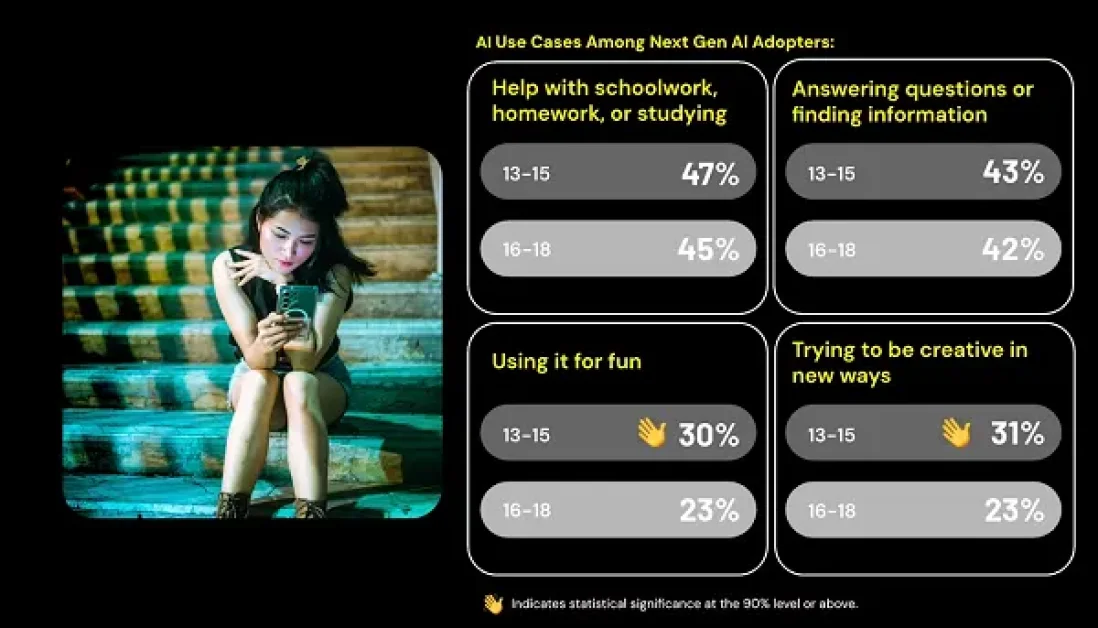
AI is a key focus of the report, and researchers also explored how teens viewed AI interactions, as well as the value of these evolving tools.
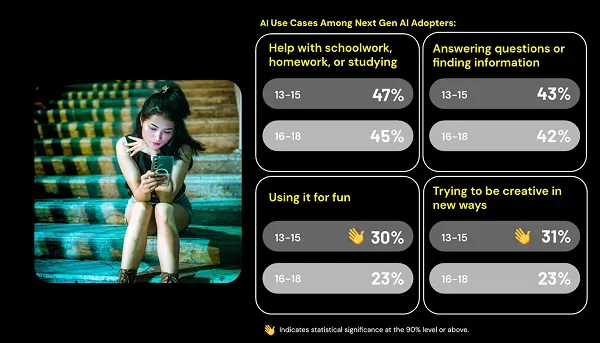
Interestingly, the data showed that younger teens (aged 13 to 15) are more optimistic about AI, with 55% indicating that they think it will have a mostly positive impact on their generation’s future, versus 37% of older teens aged 16 to 18.
The report also looked at how teens spend their time and engage with friends online and offline.
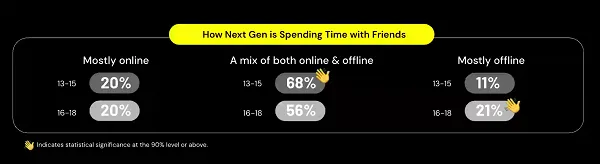
Logically, older teens spend more time with friends in real life, as opposed to younger teens, who have less freedom to leave the house. But online engagement is a key element of younger teens’ interactive process, underlining the key value that digital platforms play in this respect.
This has long been an argument that runs counter to the premise behind teen social media bans. Those bans, which target younger users on social apps, suggest that using the apps has a negative impact on social engagement. The bans seek to encourage more offline behaviors and protect kids from perceived harm. But the better solution could be improved digital literacy education.
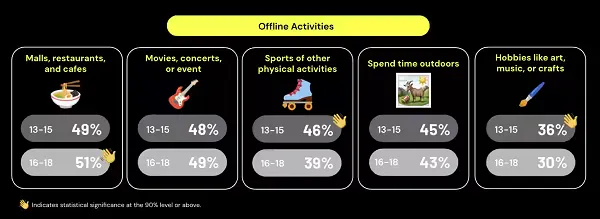
Snapchat’s report also looked at offline activities that are popular with teens.
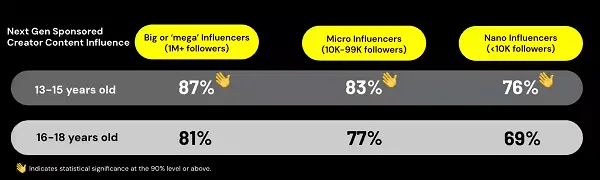
The report also examined the influence of online creators in teens’ entertainment and engagement diets.
There are some interesting insights into the perspective of young audiences, and how they’re integrating online content and AI into their lives.
This could be valuable for market research, but also for more general understanding of what these trends mean for the next generation of consumers and broader tech trends.