

This audio is auto-generated. Please let us know if you have feedback.
Meta shared a new overview of its expanding range of AI glasses, which used to be called Meta Ray Bans, but are now called AI glasses. The name change was intended to cover a wider scope of designs, while also latching onto the broader artificial intelligence trend.
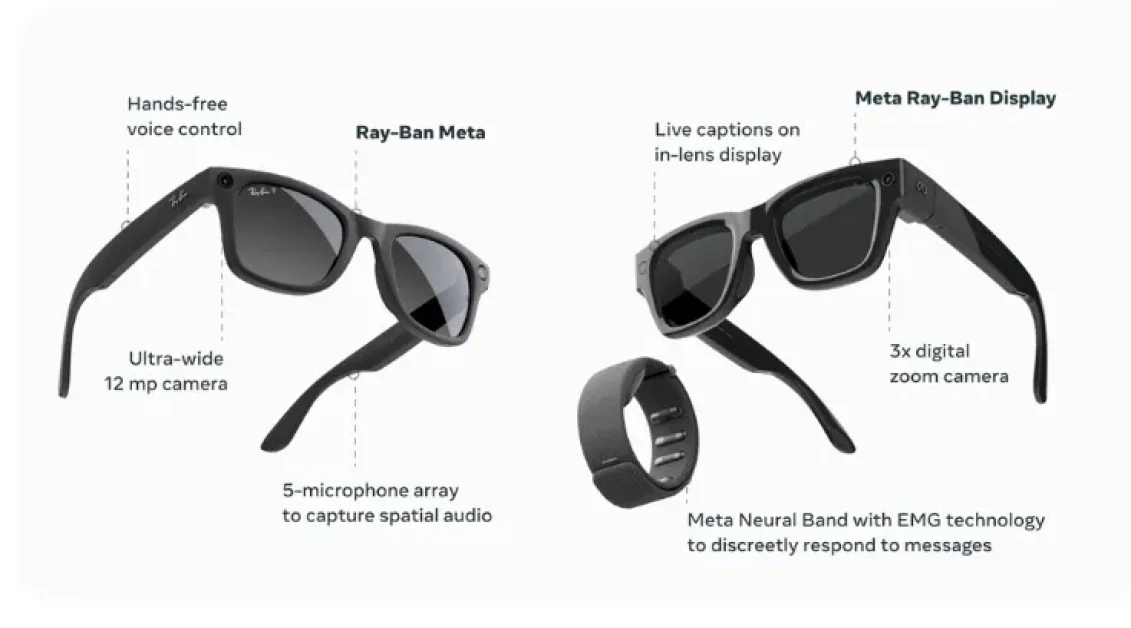
Meta now has four core styles of AI glasses, including its Ray Ban Meta basic glasses and its more advanced Display model, the latter of which includes a wrist controller device.
Sales of Meta’s AI glasses have continued to rise over time, particularly since Meta started emphasizing the AI aspect, with more people seemingly keen to have access to an always-present AI assistant.
In February, CNBC reported that 7 million pairs of Meta’s AI glasses were sold in 2025, up from 2 million sales combined in 2023 and 2024. And with more models, more options to choose from and even more coming in future, Meta explained what it thinks the best usage options are for each of its models.
According to Meta:
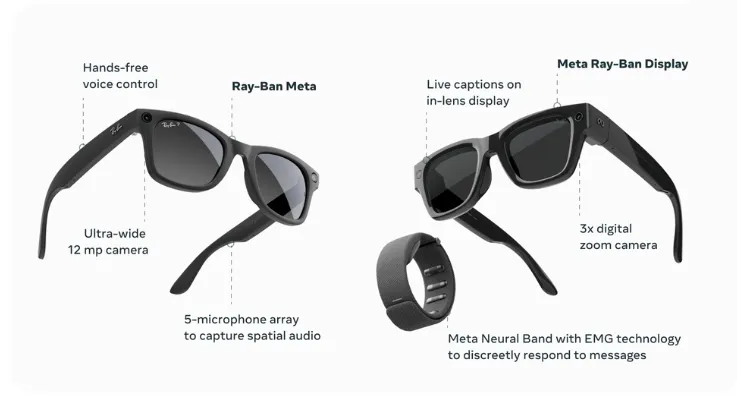
Ray Ban Meta – These are designed for creators who “value both style and substance,” according to Meta. The company’s foundation model includes high-quality camera and voice commands, which also feature Meta AI use. The device also includes open-ear speakers and Spotify connection.
Meta Ray Ban Display – Meta said the Display model is for the creator “who wants to push the boundaries of what’s possible.” The display includes an in-lens visual overlay and Neural Band, so the wearer can interact with the device in a more intuitive way. Users can also upload captured content directly from the device to Instagram or Facebook Stories.
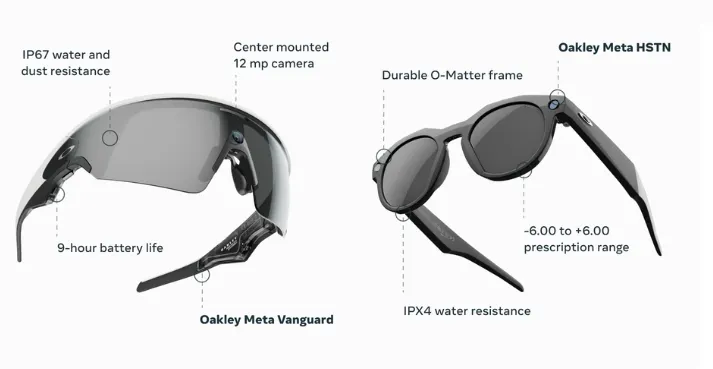
Oakley Meta Vanguard – This model was designed for use during exercise, and features a wraparound design and enhanced water and dust protection. The device connects health tracking apps such as those from Garmin, Strava and Apple Health, and includes a center-mounted camera to better capture exercise data and footage.
Oakley Meta HSTN – Meta said this version is also aimed at athletes, though at a lower price point than the Vanguard model. “The lightweight, durable O-Matter frame is perfect for everything from a morning run to a weekend hike, or even a round of golf,” Meta said. “Use the built-in AI assistant to check the wind conditions, track your workouts, and snap pictures of your journey without ever having to press pause.”
Each option has its own unique features and benefits, and varies in price significantly, from $379 to $799, so it’s worth considering which features are most important for individual usage.
But are these devices worth the price? Well, it’s impossible to say, because while having an always-available AI assistant would have value, most people who would buy these also have phones that essentially serve the same purposes.
But Meta’s AI glasses are evolving, and as the company continues to work on its AR-powered devices, which offer the next stage of Meta’s wearables plan, users can expect these glasses to become even more powerful and more valuable for everyday use.
Meta CEO Mark Zuckerberg has previously said that he anticipates that glasses will eventually supersede phones as key connective devices. The glasses also provide the most accessible product option for Meta’s expanding AI push.
As such, consumers can expect the company to make glasses more of a focus moving forward, which could also increase their utility.